
Joint Pain and Stiffness Treatment in London Bridge
Whether your joints are aching after activity, stiff in the mornings, or gradually losing their range of movement, hands-on assessment and treatment at Body Restore Clinic may help restore comfort and function.
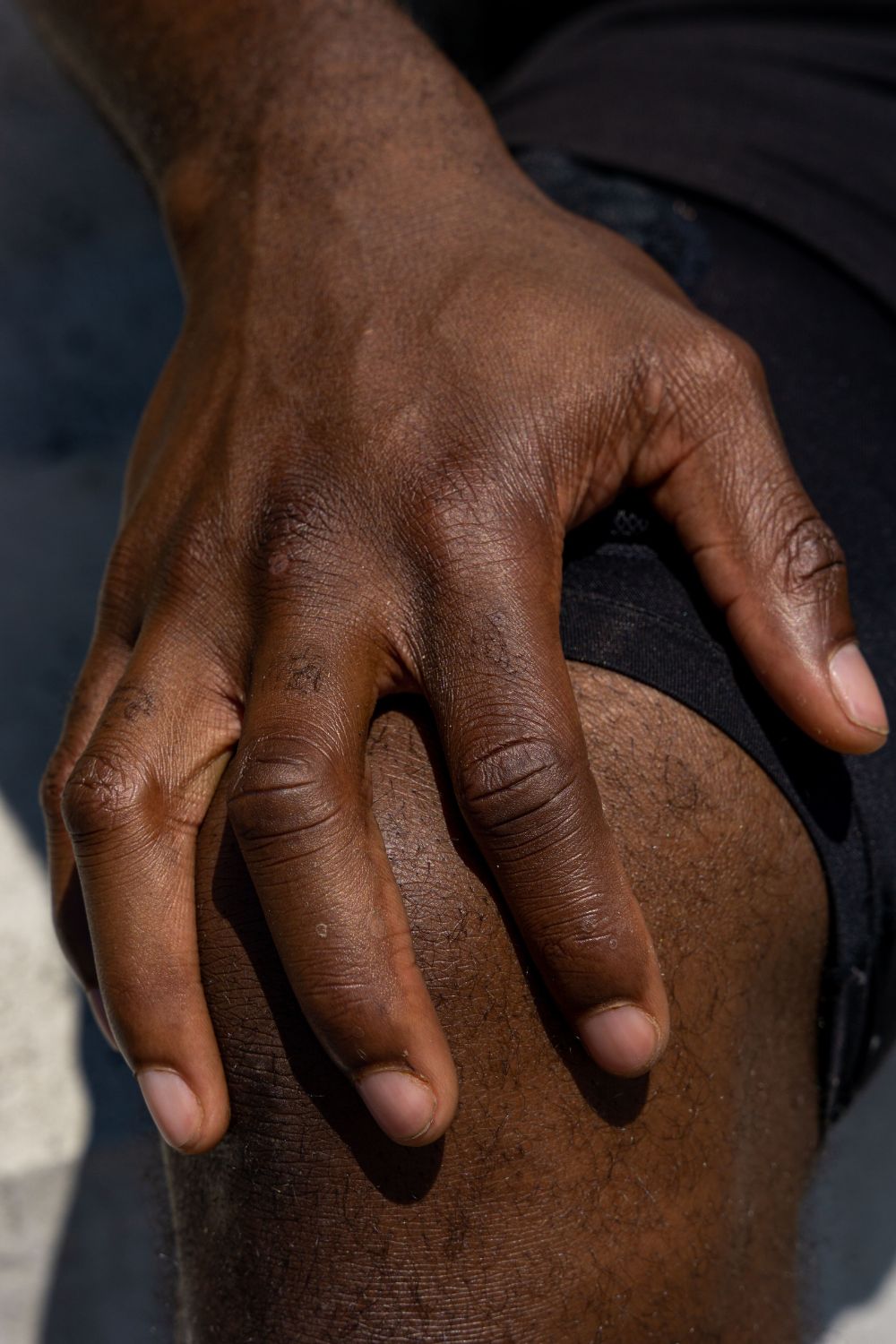
Our Joint Pain Services
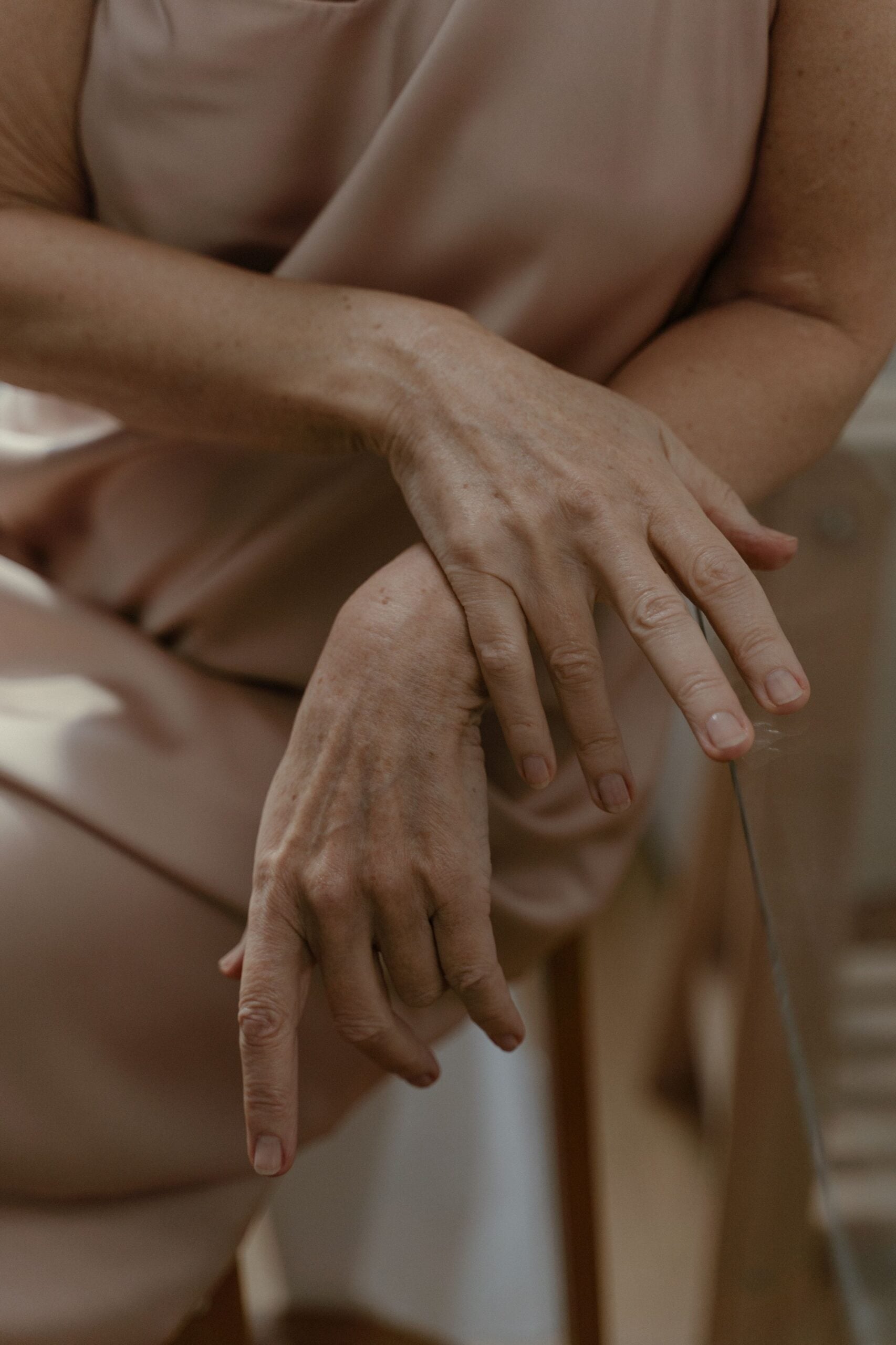
What Is Joint Pain and Stiffness?
Joint pain is one of the most common reasons people seek hands-on treatment. It can affect any joint in the body — hips, knees, shoulders, elbows, ankles, wrists — and can range from a background ache that limits movement to acute pain that restricts daily activity.
Stiffness is a closely related experience, often appearing as reduced range of movement in the morning, after periods of rest, or following sustained activity. In many cases, stiffness and pain arrive together, each making the other harder to manage.
At Body Restore Clinic in London Bridge, we see joint pain and stiffness across a wide range of presentations and age groups. Some patients arrive with a recent injury. Others have been managing gradual onset pain for months. Some have a confirmed diagnosis such as osteoarthritis; others are still trying to understand what is happening. Whatever the background, the starting point is always a thorough clinical assessment.
What Joint Pain and Stiffness May Feel Like
Joint pain and stiffness can present in many ways. You may recognise some of these patterns:
- A dull ache or deep throbbing pain within or around a joint
- Sharp pain on particular movements or when bearing weight
- Morning stiffness that eases with movement over the first hour of the day
- Stiffness after sitting for extended periods — particularly in the hips, knees, or lower back
- A restricted or grinding sensation when moving the joint
- Swelling, tenderness, or warmth around the joint
- Joints that feel unstable or give way during activity
- Gradual reduction in range of movement over weeks or months
- Pain that worsens with activity and eases with rest, or conversely, pain that builds during inactivity
The pattern of your symptoms, when they come on, what makes them better or worse, and which joints are affected, provides important clinical information. A proper assessment helps identify the mechanism behind your symptoms and informs the most appropriate treatment approach.
How Body Restore Clinic May Help
At Body Restore Clinic in London Bridge, every patient with joint pain begins with a thorough assessment. We want to understand which joint (s) are involved, what is contributing to your symptoms, how your pain is affecting your daily life, and what your goals are. Treatment is never applied on assumption.
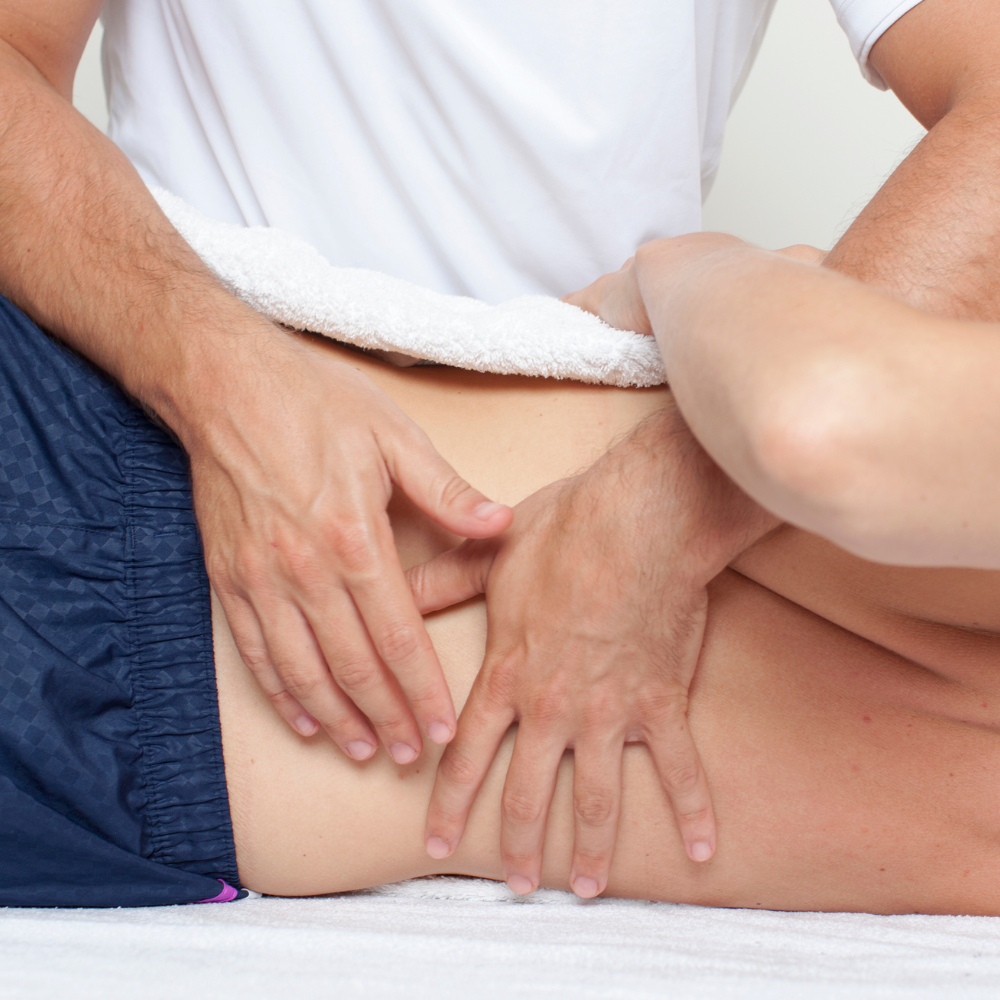
Osteopathy
Osteopaths use hands-on techniques to reduce tension, improve movement, ease nerve irritation, and support recovery from lower back pain.
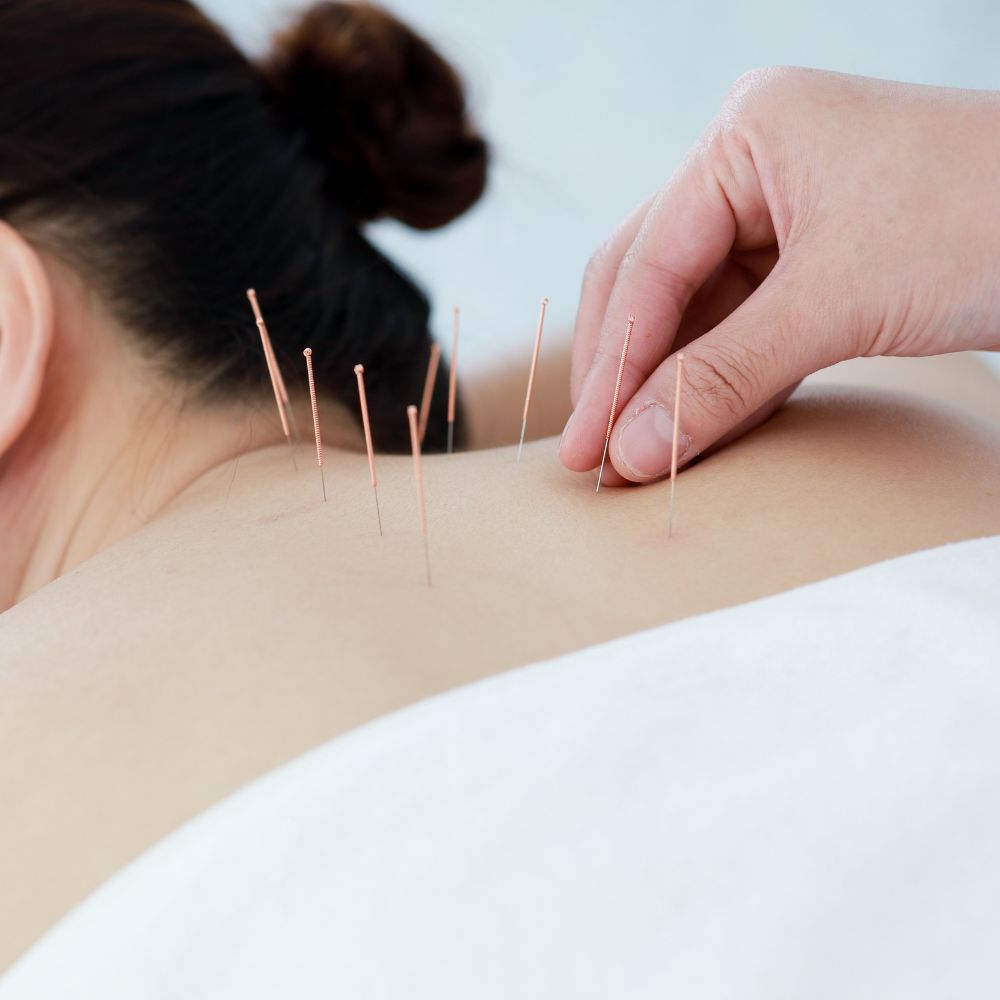
Medical Acupuncture
Medical acupuncture may be used, when appropriate, to help manage pain and muscle tension, with prior patient discussion.
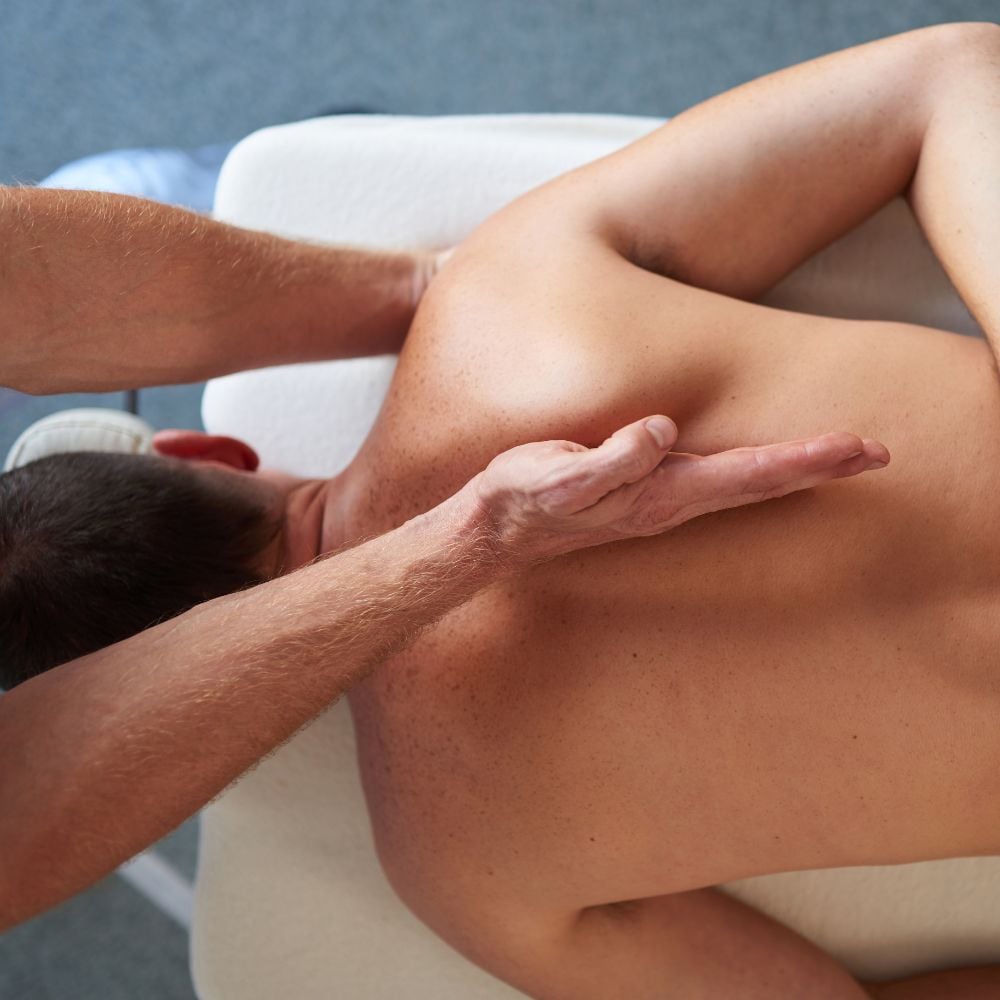
Sports Massage
Soft tissue work reduces tension, improves movement, and supports recovery; sports massage can be used alone or with osteopathy.
What May Contribute to Joint Pain and Stiffness
At Body Restore Clinic in London Bridge, we offer hands-on musculoskeletal treatment for patients with chronic and persistent pain conditions. Our approach begins with a thorough assessment to understand your symptoms, medical history, and lifestyle, so that any treatment is tailored to your individual needs.

Wear and tear over time

Previous injury or trauma
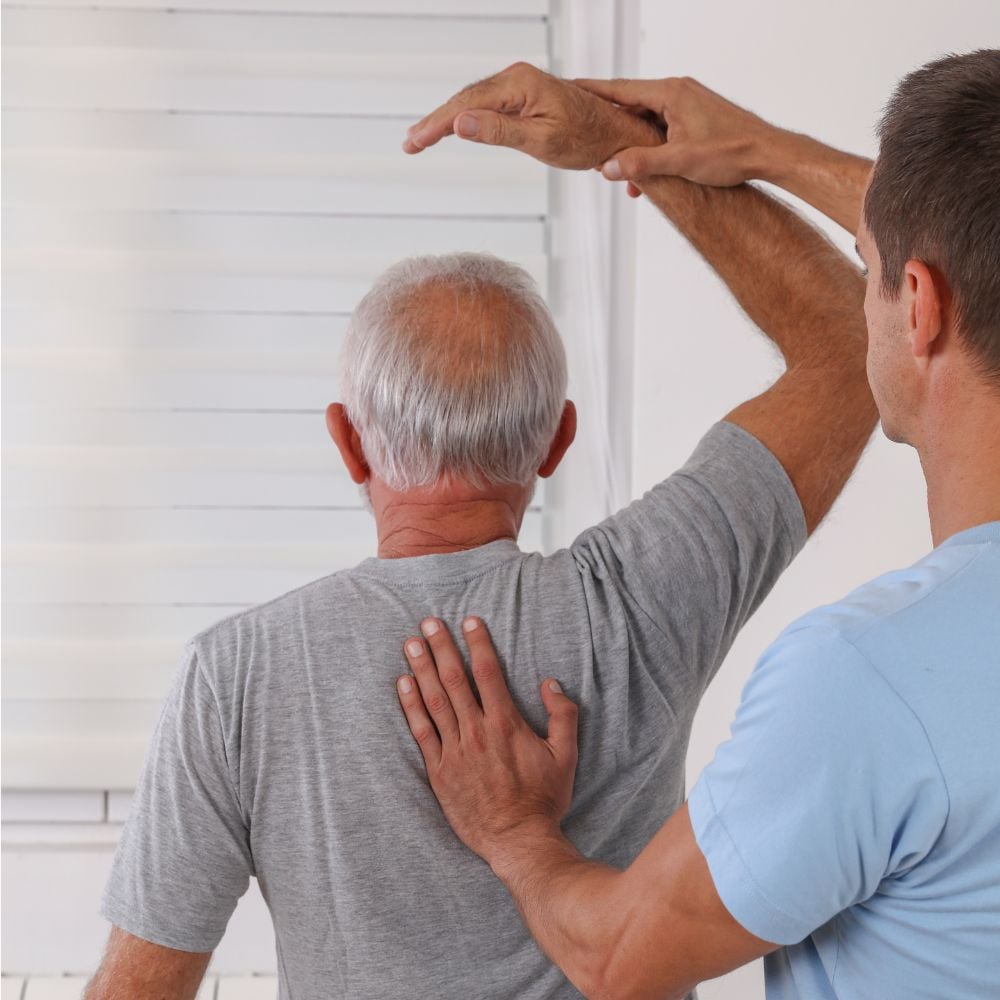
Sedentary periods and reduced movement
Overuse and repetitive loading
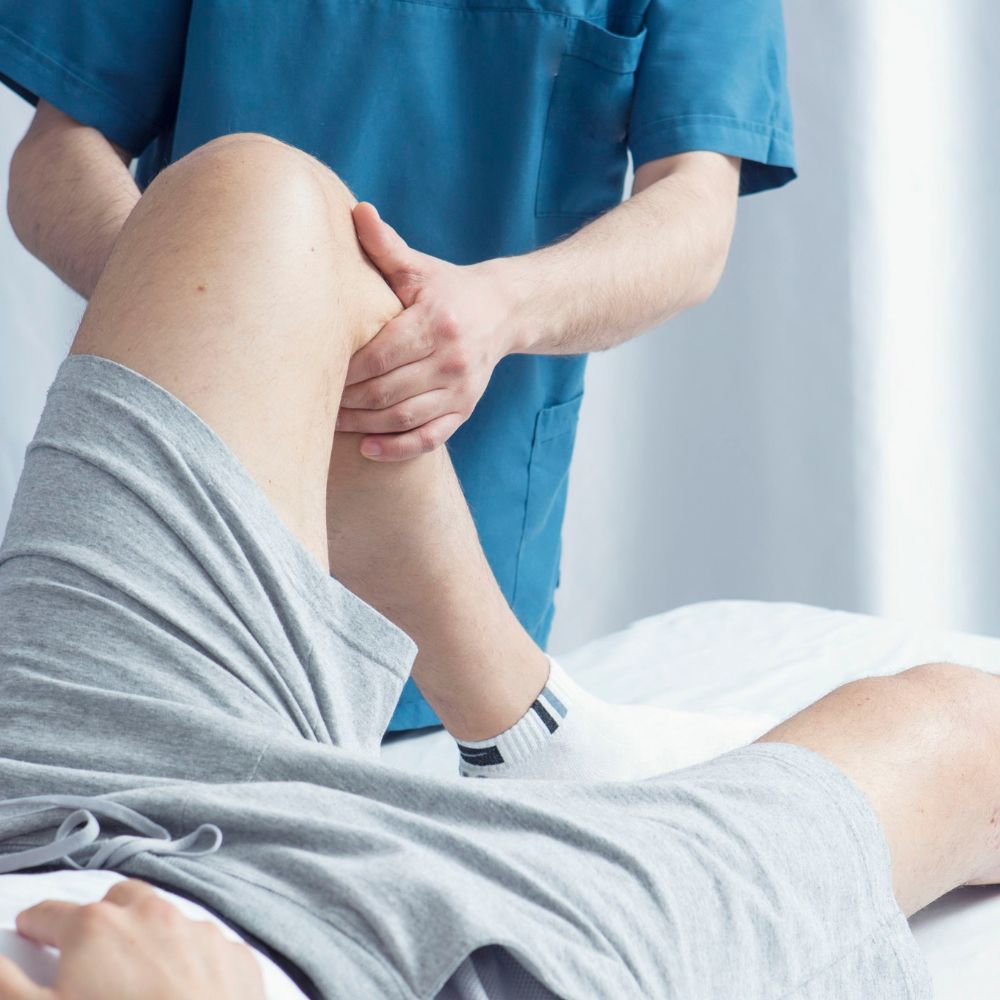
Muscular tightness around the joint
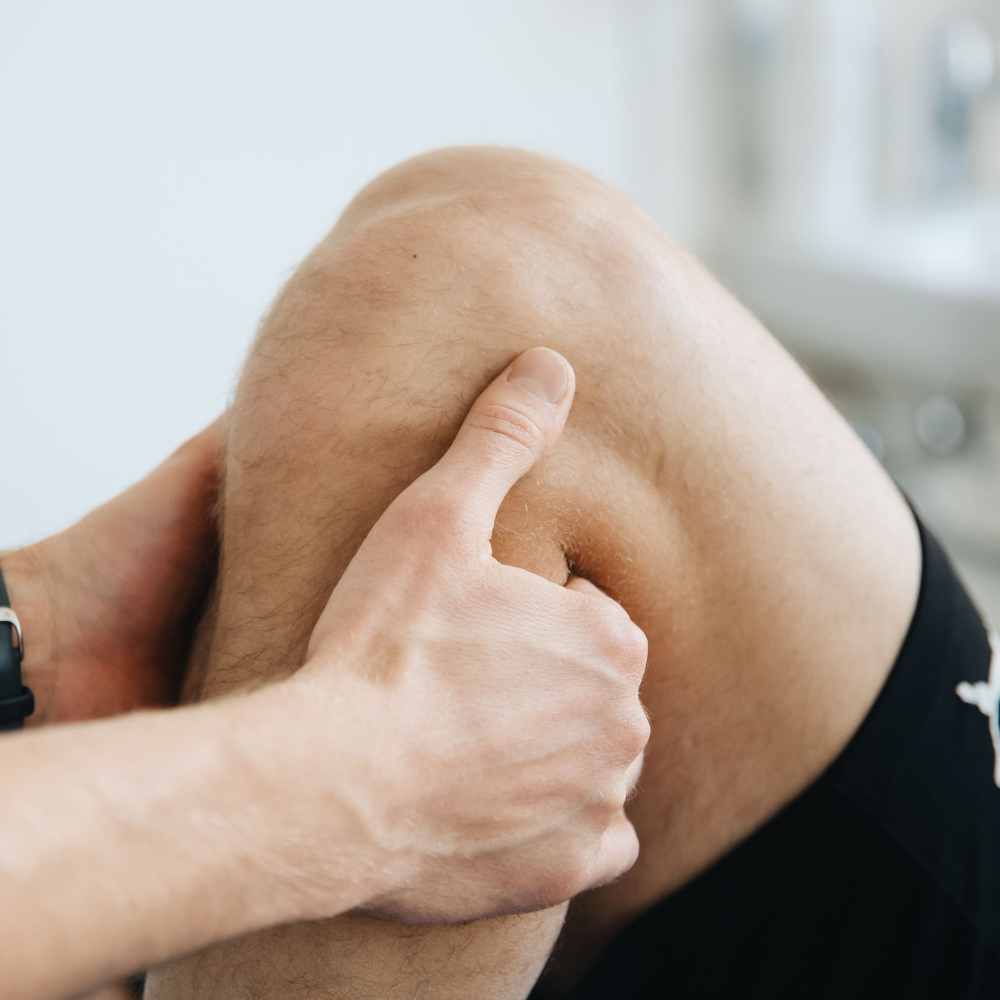
Inflammatory processes

Lifestyle and load factors
Each patient is assessed and treated as an individual. Your treatment plan will reflect your symptoms, your goals, and how your body responds, rather than a standardised approach applied to everyone with pain.
Body Restore is ranked in the top 5% of clinics based on patient reviews, and many patients return to us or refer friends and family when new problems arise.
When to Seek Support
If joint pain or stiffness is limiting your movement, affecting your work or daily activities, or has been present for several weeks without improving, a proper clinical assessment is a sensible next step.
We would encourage you to book with us if:
- Joint pain is interfering with work, exercise, sleep, or daily tasks
- Stiffness is consistently present in the mornings or after periods of sitting
- You have a previous joint injury that has never fully settled
- Self-management and over-the-counter pain relief are not providing lasting relief
- Previous self-management has provided limited or only temporary relief
- You have been told to 'wait and see' but symptoms are progressing
If you have any concerns about the underlying cause of your pain, or if a GP or another healthcare professional has referred you, please let us know when you book. We can factor this into your assessment and treatment plan.
Frequently Asked Questions
Can osteopathy help with arthritis?
Osteopathy can be beneficial for osteoarthritis and similar degenerative joint conditions, though it is important to be honest about what treatment can achieve. It cannot reverse structural changes in the joint. What it can do is improve how the joint moves within its current state, reduce the muscular tension that compounds pain, and support better movement patterns. Many patients with osteoarthritis experience a meaningful improvement in comfort and mobility through a combination of joint mobilisation and soft tissue treatment.
How many sessions will I need?
This depends on the nature of your joint problem, how long it has been present, and how it responds to treatment. Many patients notice a positive change within three to five sessions. Longer-standing conditions or those with a significant degenerative component may benefit from a longer course of treatment, or from an ongoing maintenance approach. Your practitioner will give you a realistic assessment after the first appointment.
Is joint pain treatment painful?
Treatment is applied carefully and incrementally, and your feedback throughout the session guides how much pressure and mobilisation is applied. The aim is always to work within a comfortable range, with any temporary post-treatment soreness being mild and short-lived. Many patients feel noticeably freer in their movement immediately following treatment.
Can sports massage help with stiff joints?
Sports massage works on the muscles and soft tissues surrounding a joint rather than the joint itself, but this can make a meaningful difference to how the joint moves and feels. Releasing tightness in the muscles that cross or support a joint reduces the compressive force on it and can significantly improve range of movement. For hip and shoulder stiffness in particular, soft tissue release is often an important part of the overall treatment approach.
What is the difference between joint pain and muscle pain?
Joint pain typically feels deep within or around a specific joint and may be associated with stiffness, grinding, or restricted movement. Muscle pain tends to feel more like a diffuse ache or tension in the soft tissue around and between joints. In practice, the two commonly coexist — a restricted joint creates tension in the surrounding muscles, and tight muscles can limit and compress the joint. A clinical assessment will help distinguish the primary driver and identify the most effective treatment approach.
Do I need a GP referral to book?
No. You can book directly at Body Restore Clinic in London Bridge without a GP referral. If you have had recent imaging or a recent medical assessment relevant to your joint problem, it is helpful to bring this information to your appointment, but it is not required. If your symptoms raise any concern that requires medical investigation before treatment can proceed, your practitioner will advise you clearly at the first appointment.
Ready to Address Your Chronic Pain?
If you are ready to take a more active approach to your recovery, our team at Body Restore Clinic in London Bridge is here to help.
Email Us
info@body-restore.co.uk
Call Us
0203 3024 008
Clinic Address
Unit 1 Plantain Place, London, SE1 1YN