
Headaches and Migraines in London Bridge
If your headaches are connected to neck tension, stiffness, or long hours at a desk, hands-on assessment and treatment at Body Restore Clinic may help reduce their frequency and impact.

Our Services
What Are Cervicogenic and Tension-Type Headaches?
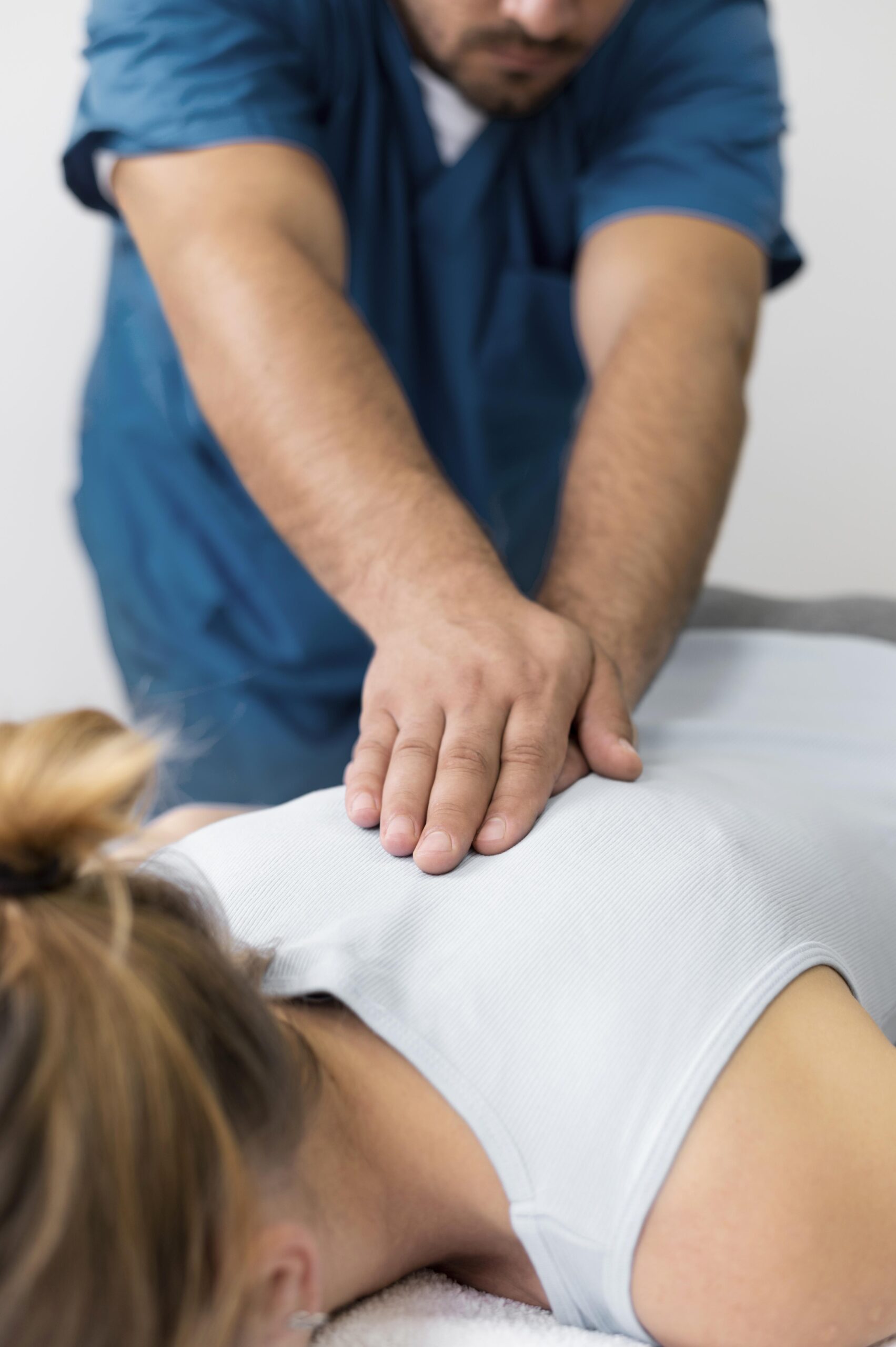
Headaches come in many forms, and not all of them start in the head. Cervicogenic headaches originate in the neck and upper spine. Tension-type headaches are often driven by muscle tightness in the neck, shoulders, and upper back. Both are closely connected to how the structures in and around the cervical spine are functioning.
At Body Restore Clinic in London Bridge, we regularly see patients whose headaches are linked to neck stiffness, restricted movement, postural strain, or unresolved tension in the upper back and shoulders. When these structures are under persistent load or restriction, pain can refer upward into the head, producing a dull ache at the base of the skull, pressure behind the eyes, or a tight band-like sensation across the forehead.
What Neck-Related Headaches May Feel Like
Headaches linked to the neck often follow a recognisable pattern. You may notice:
- A dull or throbbing ache that starts at the base of the skull or the back of the neck
- Pain that spreads upward into the head or behind one or both eyes
- Stiffness or restricted movement in the neck alongside the headache
- Headaches that are worse after sitting at a desk, driving, or looking down at a screen
- Tenderness in the neck, upper shoulders, or at the base of the skull
- Headaches that begin in the morning after sleeping in an unsupportive position
- Nausea or light sensitivity in more intense episodes
Not every headache with these features is cervicogenic. Some presentations involve multiple contributing factors, and a proper clinical assessment is the most reliable way to identify what is driving your symptoms.
What May Contribute to Neck-Related Headaches
Neck-related headaches often develop from everyday habits and physical stressors that place strain on the muscles, joints, and nerves of the cervical spine. Understanding the factors that may contribute to these headaches can help identify patterns, reduce triggers, and support more effective long-term management.
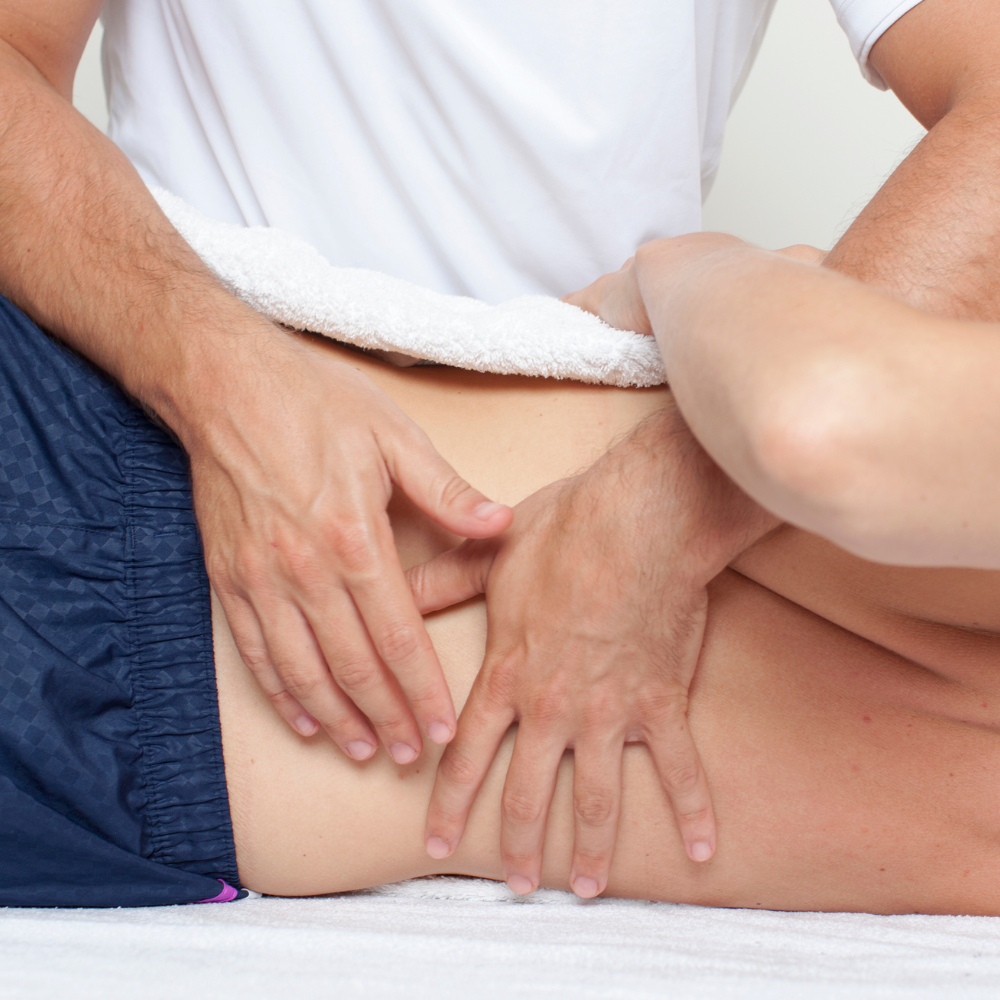
Osteopathy
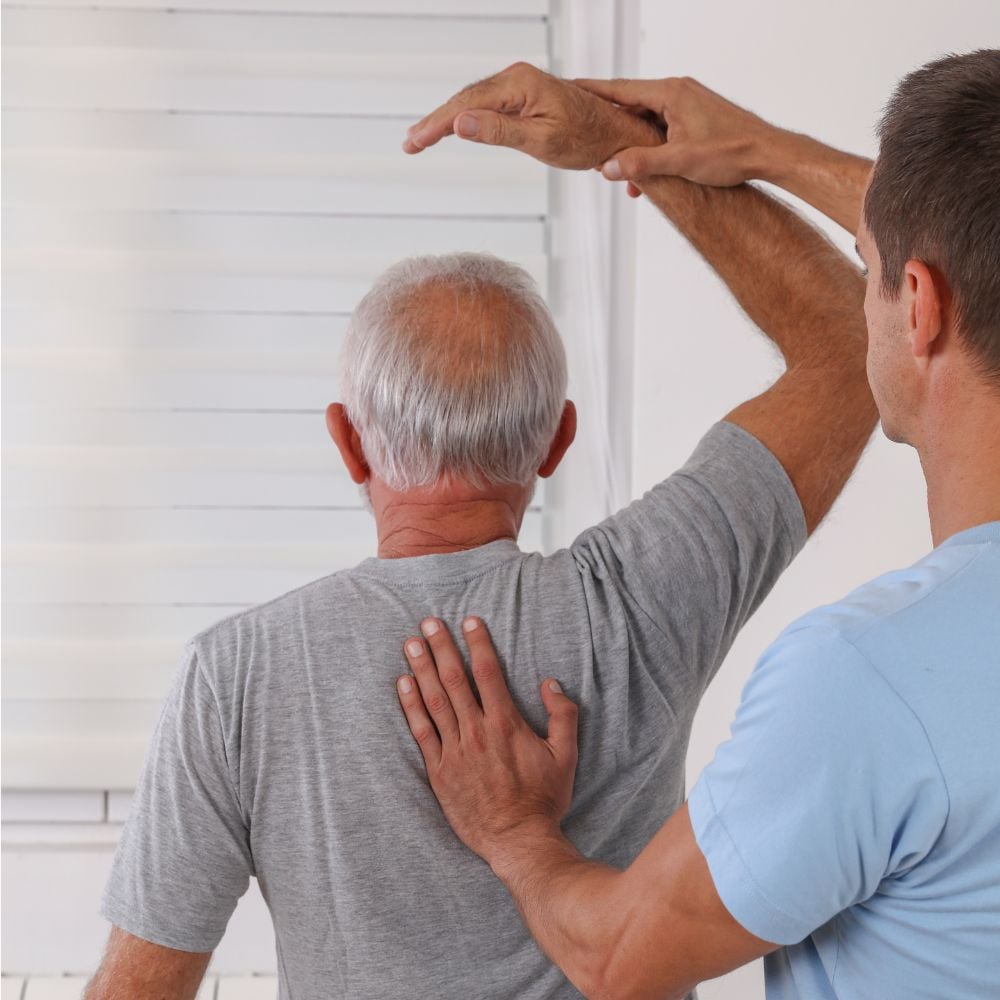
Osteopathy is often the first treatment pathway for headaches with a clear musculoskeletal component. Your osteopath will assess how the joints and muscles of the cervical spine and upper back are functioning, identify areas of restriction or tightness, and use hands-on techniques to restore movement and reduce load on the structures most likely to be contributing to headache patterns.
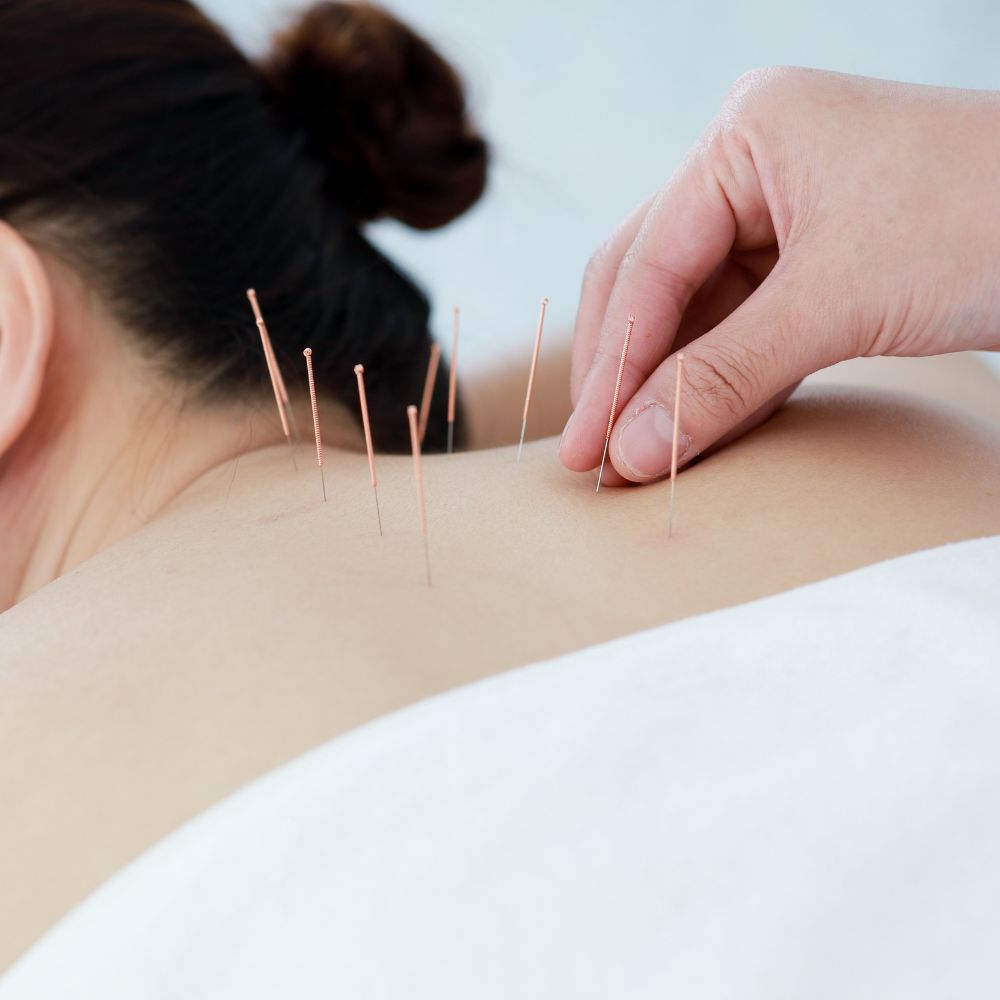
Medical Acupuncture
Medical acupuncture can be beneficial for patients with frequent tension-type headaches or migraines where neck dysfunction is a contributing factor. Fine sterile needles are used to reduce muscular tension, modulate pain sensitivity, and improve circulation in the affected areas. Some patients find acupuncture particularly helpful when they have not responded fully to manual treatment alone, or when headaches are frequent.
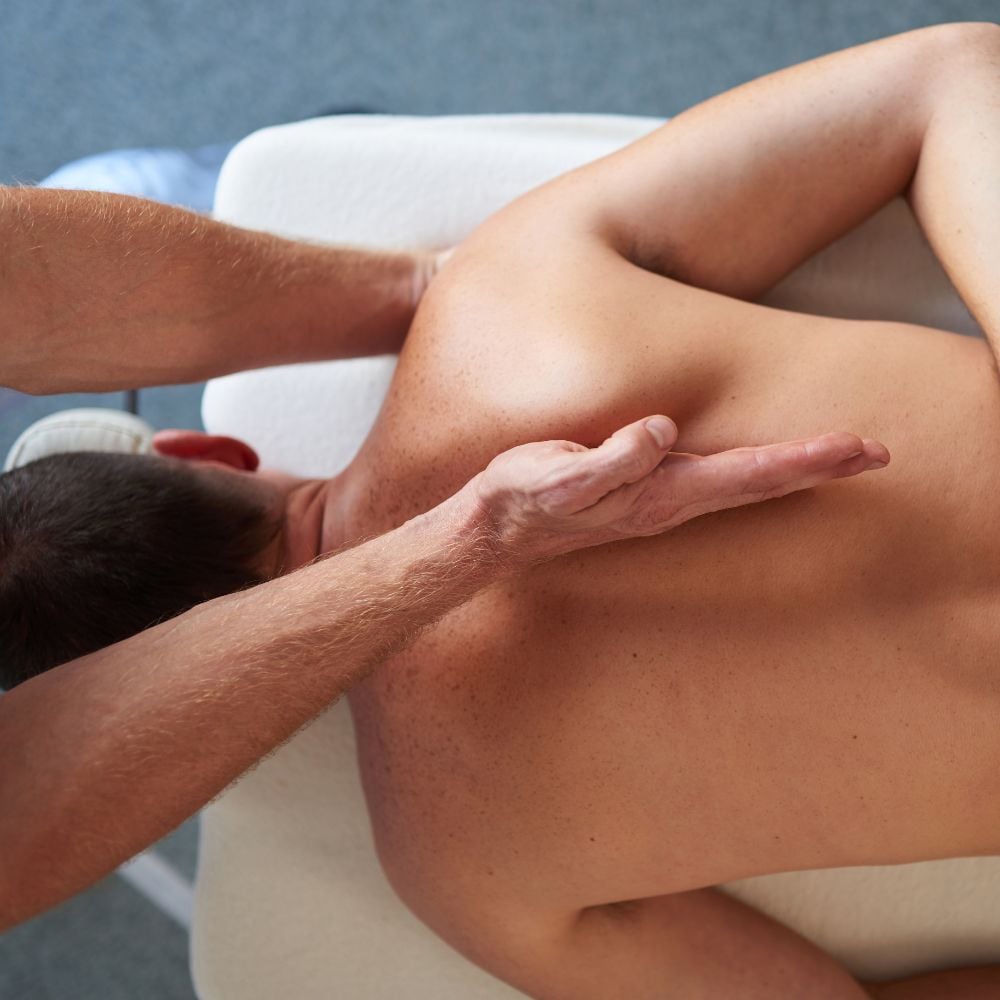
Sports Massage
For patients whose headaches are closely linked to muscular tightness and trigger points in the neck, upper shoulders, and upper back, sports massage can be a helpful part of treatment. Releasing chronic tension in the upper trapezius, levator scapulae, and suboccipital muscles can reduce the load on the cervical spine and address one of the common drivers of tension-type headaches.
How Body Restore Clinic May Help
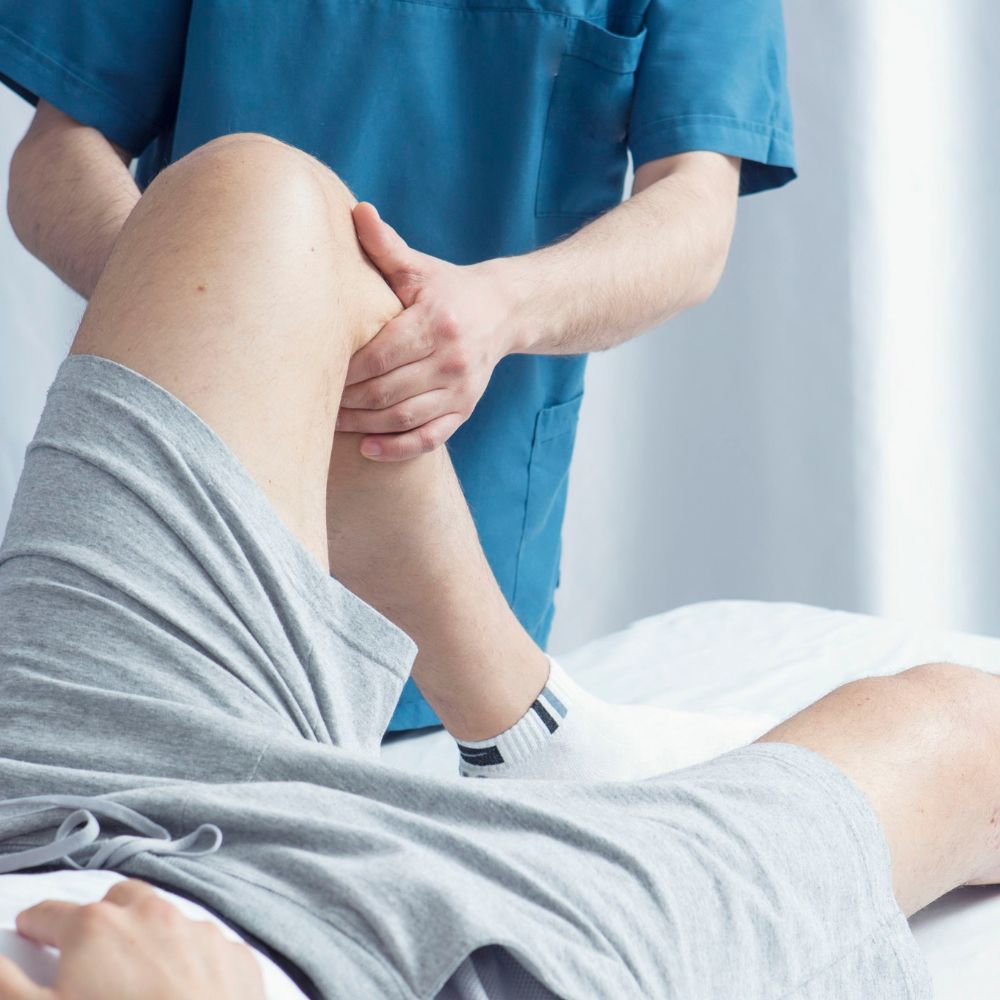
At Body Restore Clinic in London Bridge, we offer hands-on musculoskeletal treatment for patients with chronic and persistent pain conditions. Our approach begins with a thorough assessment to understand your symptoms, medical history, and lifestyle, so that any treatment is tailored to your individual needs.

Reduced pain levels and muscle tension through targeted manual treatment

Improved mobility and range of movement in affected joints and soft tissues
Identification and management of postural or movement factors that may be maintaining the problem
Guidance on self-care, activity adjustment, and recovery strategies

A gradual return to the activities, work, or exercise that matter to you
Each patient is assessed and treated as an individual. Your treatment plan will reflect your symptoms, your goals, and how your body responds, rather than a standardised approach applied to everyone with pain.
Body Restore is ranked in the top 5% of clinics based on patient reviews, and many patients return to us or refer friends and family when new problems arise.
When to Seek Support for Headaches and Migraines
If headaches are interfering with work, sleep, or daily life, a proper assessment is worth pursuing rather than continuing to manage symptoms indefinitely with over-the-counter medication.
We would encourage you to contact the clinic if:
- Your headaches are becoming more frequent or more intense
- Neck stiffness or restricted movement accompanies your headaches
- Headaches follow a clear pattern linked to posture, desk work, or stress
- You have had a neck injury and headaches have been present since
- Self-management and medication are not providing lasting relief
Frequently Asked Questions
Can osteopathy help with migraines?
Osteopathy can be beneficial for some migraine presentations, particularly those where neck stiffness, restricted cervical movement, and muscular tension appear to be contributing factors. It is not a treatment for all types of migraine, and your osteopath will assess carefully during your first appointment whether this approach is appropriate for you. For some patients, addressing neck tension through treatment has a positive effect on migraine frequency. For others, a combined approach including medical acupuncture may be more suitable.
How do I know if my headaches are coming from my neck?
Several features suggest a cervicogenic or musculoskeletal contribution: a dull ache at the base of the skull, pain that builds after sitting at a desk or using a screen, neck stiffness alongside the headache, and tenderness in the upper neck or shoulders. A clinical assessment is the most reliable way to identify contributing factors and decide on the most appropriate approach.
How many sessions will I need?
This varies depending on the nature and duration of your headaches. Many patients notice a change within three to four sessions, though longer-standing patterns may take more time to respond. Your practitioner will give you a realistic indication after the first appointment.
Is treatment for headaches different from treatment for neck pain?
There is significant overlap, as both often involve assessment and treatment of the cervical spine and surrounding muscles. A headache-focused appointment will pay particular attention to the upper cervical region and to referred pain patterns that can drive headaches, rather than treating neck pain as the primary concern in itself.
Can sports massage help with headaches?
Yes, particularly for tension-type headaches where tightness in the neck, upper shoulders, and upper back is a significant contributing factor. Sports massage can help reduce muscular load in these areas, which may in turn reduce headache frequency. It works well alongside osteopathy or as a standalone approach when headaches are clearly muscular in origin.
Can I book directly, or do I need a GP referral?
You can book directly at Body Restore Clinic in London Bridge. No GP referral is required. If your headaches have an unusual pattern or you are unsure whether musculoskeletal treatment is appropriate, our practitioners can advise during your consultation.
Ready to get started?
If you are dealing with back pain or sciatica and would like to book an assessment at our London Bridge clinic, we are here to help. You can book online, call us directly, or get in touch through our contact form.
Email Us
info@body-restore.co.uk
Call Us
0203 3024 008
Clinic Address
Unit 1 Plantain Place, London, SE1 1YN